FIRST, the disclaimers:
- The article I’m about to link to is about working with AI. If you believe AI is a useless or dangerous invention (and I agree with you on the second point, which means I support the idea of regulating AI like any other public utility), you’ll have no interest in learning how to incorporate it into your product design practice. Skip the article and go with God.
- The article is hosted on Substack.
Some of my favorite writers—folks who are as anti-fascist and pro-democracy as they come—publish on Substack, but I read and recommend their work less and less frequently, because Substack has a Nazi problem.
To wit:
Awkward: Substack’s Nazi Problem
Substack call themselves a platform rather than a publication, a classic web conundrum. But most other self-described platforms typically have terms and conditions banning dangerous or harmful speech, and an (overworked, underfunded) Trust & Safety team that removes the worst content published there.
Thus, its glory days, Twitter tried to ban the most toxic speech. They weren’t always successful, and a bunch of us did a lot of complaining about that, but they had great people on staff who worked hard to stem the worst abuses. X, in contrast, not only does not check bad speech, it actively promotes it, which is why many of us choose to post elsewhere.
Like X, Substack refuses to remove Nazi content from their platform, labeling it a free speech issue. Free speech sounds good, and is good in principle. And at least Substack, unlike X, does not deliberately amplify the worst speech it allows on its platform.
Ah, but but Substack takes a 10% cut of all subscriptions, including subscriptions to inflammatory, dangerous content, e.g. Nazi stuff.
Profiting from all speech, including atrocious speech, undermines Substack’s “neutral platform” argument, since profit incentivizes them to publish bad content that drives passionate subscriptions.
Some writers have left the platform in protest—and there are certainly other services that offer writers the same benefits without the Nazi problem.
On the other hand, migrating to a new platform can be difficult, and you can lose your audience in the process. Thus many writers who are not Nazis nevertheless remain on Substack and rationalize it.
And still other writers are unaware of the Substack problem. I suspect that that’s the case with the author whose article I’m about to link to.
The writer’s dilemma is also the reader’s.
If you feel okay reading non-Nazi stuff on a platform that profits from everything published on it (including Nazi stuff you’ll never see but which nevertheless contributes to the platform’s bottom line) … and if you already work with or are inexperienced but open-minded about AI (while also being aware of the societal dangers the technology poses), then this article may be for you.
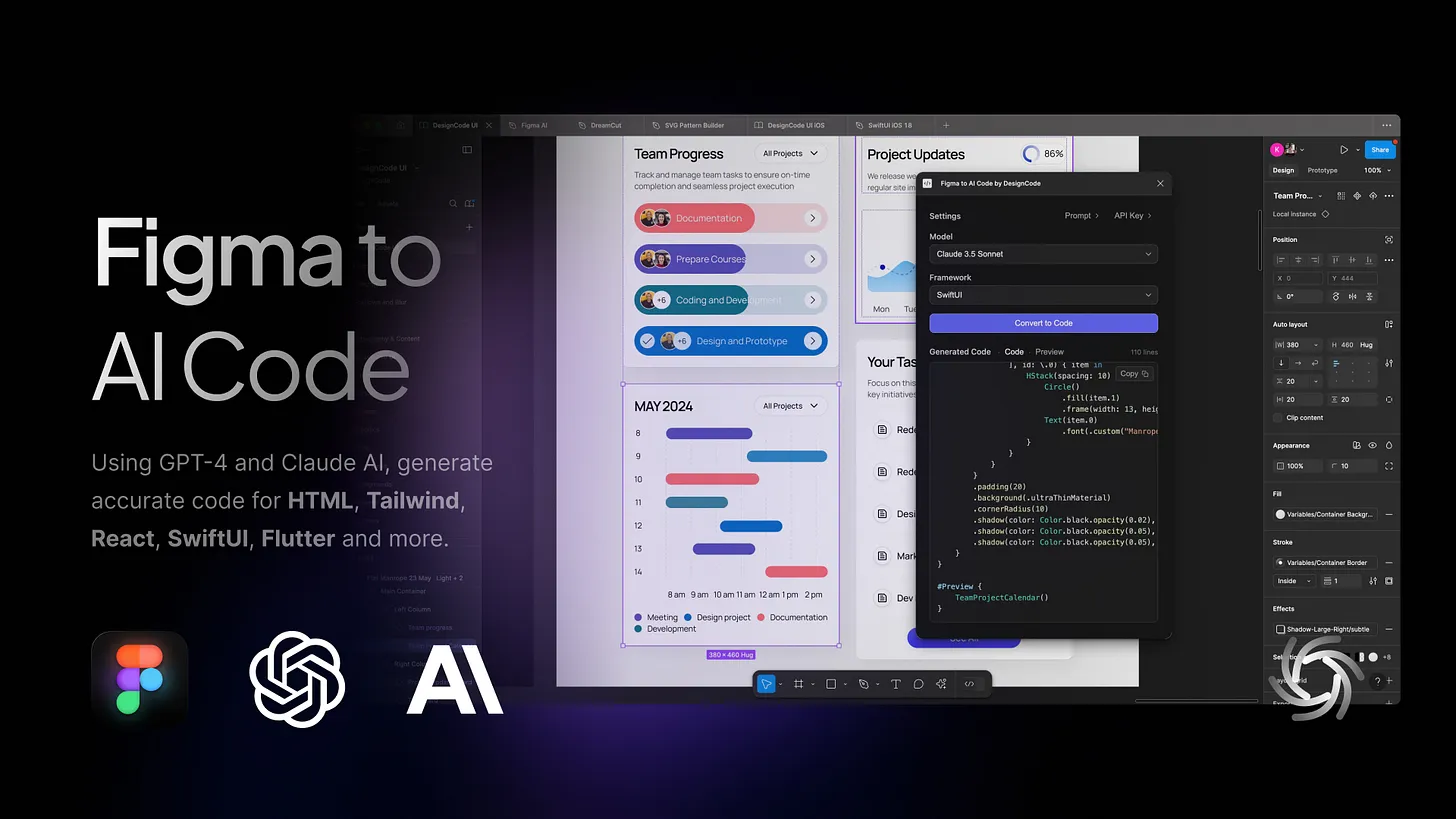
Although I’m conflicted about it for the reasons above, I recommend the article Claude Code for Designers: A Practical Guide by Tommaso Nervegna as a relatable, informative, and useful hands-on guide to harnessing Claude Code and a handful of other tools to build not only functional prototypes and client demos but working websites and real web apps with users and databases.
TL;DR: A full-stack designer/developer who used to code rediscovers his superpower through Claude Code and Get Shit Done. The promise: no more translation layer between vision and implementation; just a direct path from Figma to production. How to get there if you wish to try doing the same: just follow the steps.


