Maybe I’m special. Or unlucky. But things that supposedly work intuitively for most users tend to fail spectacularly for me.
After stints in academia, journalism, advertising, and music, I poured myself into web design in early 1995. I understood it in a way most designers didn’t, and rose faster than I probably deserved—until the summer Steve Jobs fired Doug Bowman and me from a redesign of apple.com.
After that, Apple software and hardware went wonky for me for close to a decade.
At the time, I half-believed Mr Jobs had put a techno-curse on me. It certainly seemed that way. When my colleagues upgraded to what was then being called OS X, everything worked for them. When I tried, I failed. And failed. And failed.
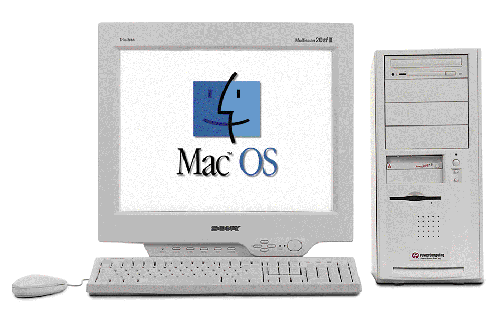
Some of this was because OS X was secretly incompatible with SCSI cards, a peripheral in common use on System 7 Macs like my Power Computing P120 Mac clone tower, and Apple never bothered to clue us in. But mostly, what Apple’s new target customer found intuitive left me bamboozled.
Over the next decade, the Mac software and hardware curse lifted, but my disconnection from what other human beings apparently find intuitive persists. Over time, this flaw became, improbably, a professional advantage, because I’m as capable as any “normal” user of misinterpreting directions, misreading cues, and grabbing hold of things that only look like handles.

